




When mold remediation ends, many homeowners breathe a sigh of relief — but the job isn’t done yet. In fact, one of the most critical steps in restoring a safe and healthy indoor environment happens after the remediation: independent quality assurance (QA) testing.
QA testing verifies whether the remediation was actually successful, ensures there are no hidden sources of contamination, protects the health of occupants, and documents conditions for insurance, legal, or future real-estate needs. Without it, you’re simply trusting that the job is complete — and in the indoor-air world, trust without verification is risky.
Below are the core reasons why QA testing is an indispensable part of any responsible mold-remediation project.
Verification That Mold Levels Have Truly Returned to Normal
Remediation disturbs building materials, often releasing millions of spores into the air. Negative air machines and containment systems should capture them — but without an independent test, you can’t know for sure.
Post-remediation QA testing provides objective data showing that:
- Airborne mold levels are now comparable to clean outdoor air
- Surfaces are no longer contaminated
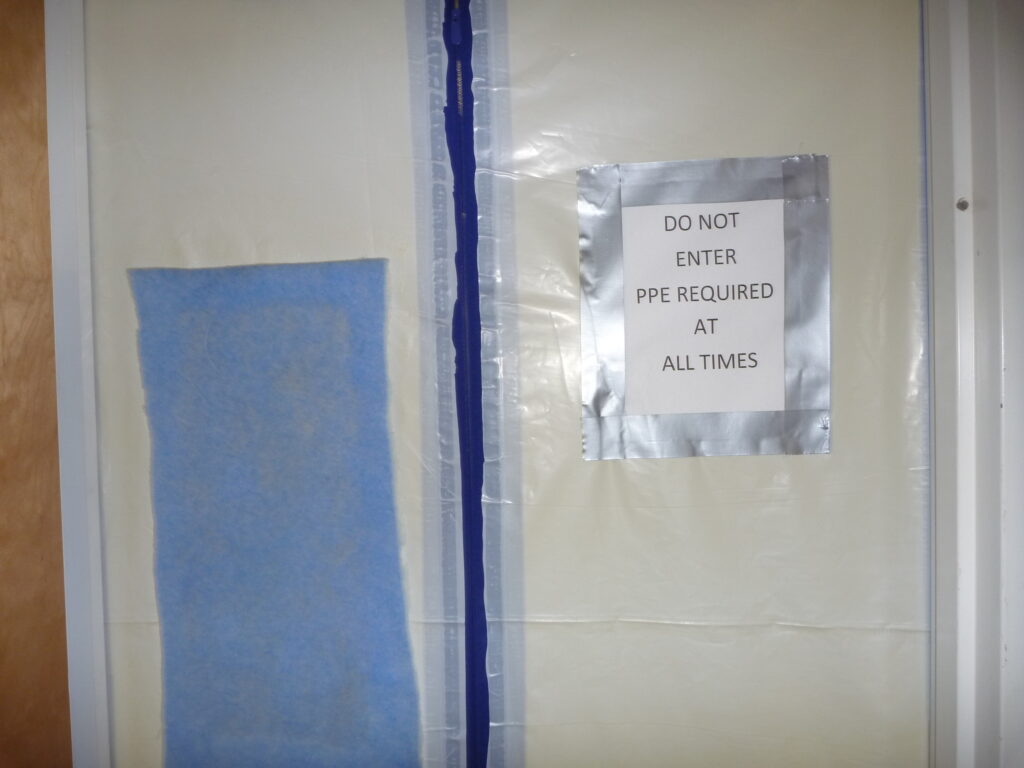
- Containment was effective
- The space is safe for re-occupancy or reconstruction
Even the most reputable remediators cannot “eyeball” what a lab report reveals. QA testing closes that uncertainty gap.
Protection of Occupant Health — Especially Sensitive Populations
People spend 90% of their time indoors, and mold exposure can trigger or worsen:
- Asthma
- Allergies
- Chronic sinus problems
- Fatigue
- Respiratory irritation
Children, elderly individuals, and those with compromised immune systems are especially vulnerable.
QA testing ensures you’re not reintroducing occupants into an environment that still has elevated spores or hidden mold reservoirs. It’s a health-first approach — one that protects families, tenants, and employees from ongoing exposure.
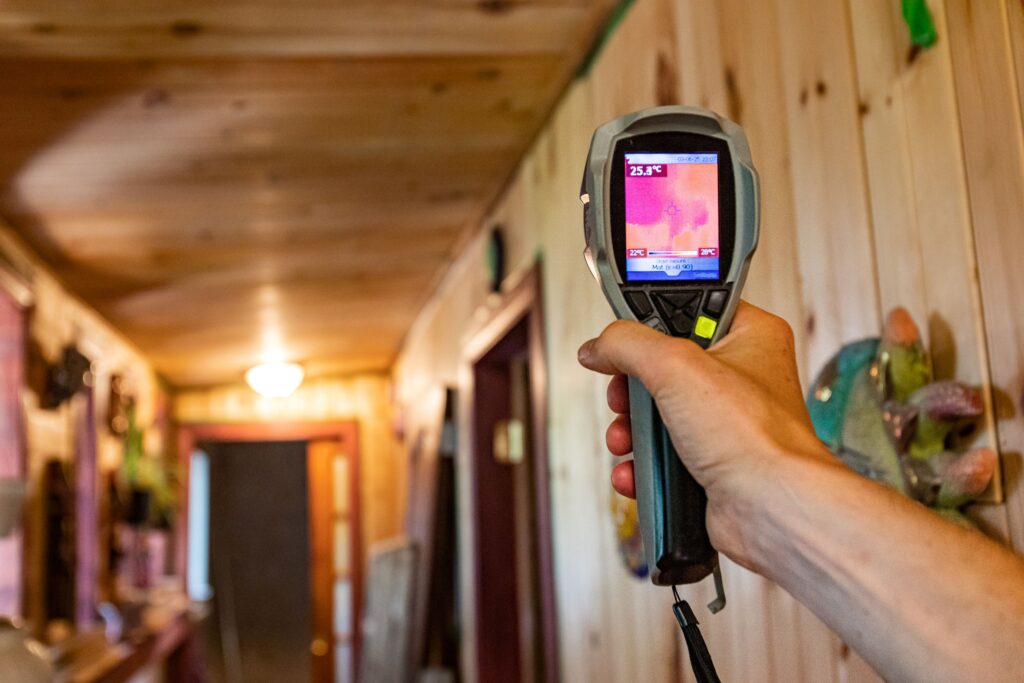
Detection of Hidden Mold or Moisture Problems
Even high-quality remediation can miss what can’t be seen.
Moisture behind walls, contamination under flooring, or overlooked HVAC contamination can continue spreading spores long after visible mold is gone.
QA testing acts as your second set of eyes, identifying:
- “Hot spots” behind building materials
- Persistent moisture problems
- Cross-contamination into adjacent rooms
- HVAC spread of spores
Early detection protects the building’s value and prevents expensive future remediation.

Clear Documentation for a Future Home Sale
One of the most overlooked benefits of post-remediation QA testing is how valuable the documentation becomes when it’s time to sell your home or commercial property. Buyers today are increasingly concerned about indoor air quality, water damage history, and hidden mold issues. A prior mold event — even one fully resolved — can raise doubts or derail a sale if proper documentation doesn’t exist.
Quality assurance testing provides independent, third-party evidence that shows future buyers the problem was handled professionally and confirmed clean by a certified inspector.
Strong documentation typically includes:
- Post-remediation air and surface sample results
- Moisture readings confirming dryness in previously affected areas
- Verification that containment and cleaning procedures were properly executed
- Lab reports showing acceptable spore levels
- Photographs of the remediation and cleaned areas
- Written clearance statements confirming the space meets accepted indoor standards
This gives buyers peace of mind and gives sellers:
- A stronger negotiating position
- Reduced likelihood of inspection disputes
- Faster closings
- Protection from future liability
- A record of transparency and responsible ownership
Instead of being a red flag, a documented and successfully verified remediation becomes a selling point demonstrating that the issue was handled the right way.
A Higher Standard of Accountability for Remediation Companies
When a remediation company knows that a certified third-party inspector will perform independent QA testing, you instantly elevate the standard of work.
It discourages shortcuts.
It encourages the use of experienced technicians.
It motivates teams to follow strict containment, removal, and cleaning protocols.
Independent QA testing keeps everyone honest — and ensures the client receives the quality they paid for.
Documentation for Insurance, Legal, and Compliance Needs
Many remediation projects involve other stakeholders: insurers, lenders, property managers, tenants, or attorneys.
QA testing provides the clear documentation needed to:
- Close insurance claims
- Demonstrate work was completed correctly
- Support legal defense or compliance requirements
- Prevent disputes or back-charges
- Validate warranty or policy conditions
Without QA testing, the burden of proof — and potential liability — falls on the property owner.
Confidence to Rebuild or Renovate Safely
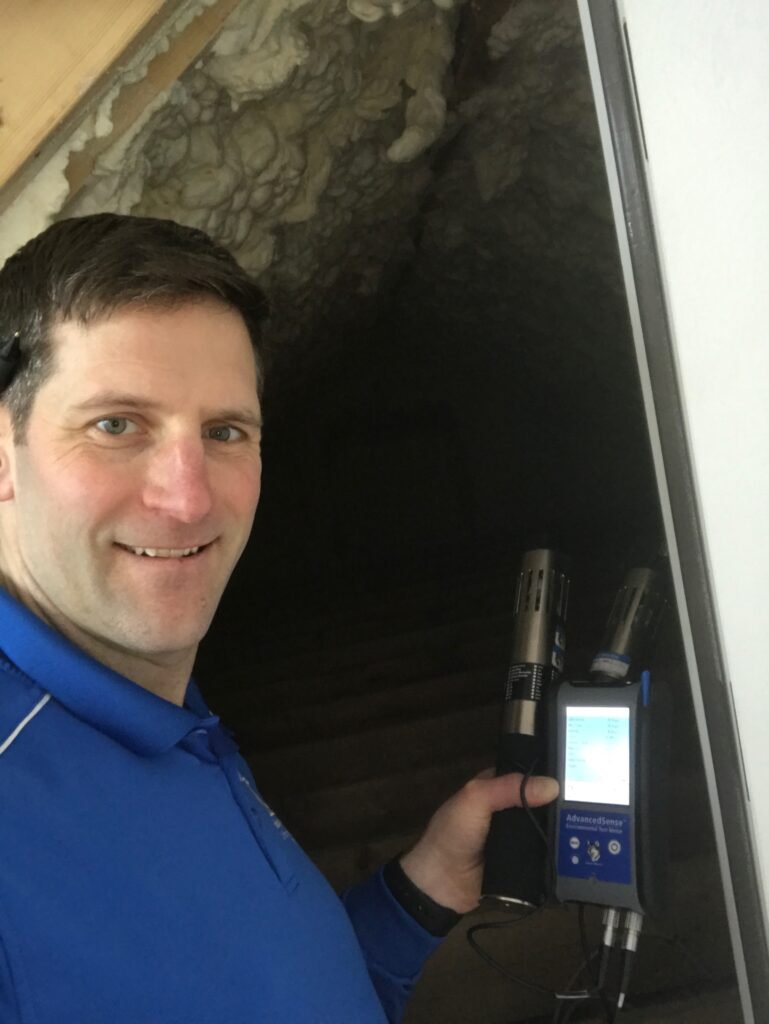
Reconstruction should never begin until a space has passed post-remediation QA testing. Installing new drywall, insulation, flooring, or cabinetry before confirming the area is mold-free can trap contamination behind new materials and create long-term problems.
QA testing ensures:
- Moisture levels are normal
- Airborne and surface spore counts are acceptable
- The environment is ready for safe rebuilding
Skipping this step is one of the most common reasons mold returns after a remediation project.

Supports Long-Term Prevention and Indoor-Air Quality Management
Post-remediation QA testing doesn’t just assess what happened — it establishes a baseline for future comparison. This helps building owners and managers:
- Monitor long-term indoor air quality
- Detect new moisture or mold issues early
- Optimize ventilation and humidity control
- Reduce future remediation costs
Good QA testing transforms remediation into a proactive indoor-air management strategy.
Ask Your Remediation Contractor for the PROOF
Post-Remediation Verification
Reliable Lab Data
Objective Assessment
Oversight & Accountability
Future-Proof Documentation
Conclusion – Don’t Just Remove Mold — Prove It: Why Quality Assurance Testing Is Essential After Remediation
Quality assurance testing is not an optional add-on — it is the final and essential step in any mold remediation project. It verifies that the work was successful, ensures safe re-occupancy, protects health, reveals hidden issues, supports insurance and legal needs, and provides critical documentation for future property sales.
Indoor spaces shape our well-being. QA testing ensures they do so safely — today, tomorrow, and for the next owner.
References
- IndoorDoctor. “5 Benefits to Quality Assurance Mold Testing.”
https://www.indoordoctor.com/blog/5-benefits-quality-assurance-mold-testing/ - CDC – National Institute for Occupational Safety and Health. “Mold, Testing, and Remediation.”
https://www.cdc.gov/niosh/mold/testing-remediation/ - IAQ.Works. “The Importance of Mold and Air Quality Inspection.”
https://iaq.works/indoor-air/the-importance-of-mold-and-air-quality-inspection/ - Healthy Building Science. “Mold Inspection and Testing: Understanding the Process.”
https://healthybuildingscience.com/2024/06/27/mold-inspection-and-testing-understanding-the-process/ - My Mold Masters. “Importance of Indoor Air Quality: Understanding Mold Inspection.”
https://www.mymoldmasters.com/importance-of-indoor-air-quality-understanding-mold-inspection/ - Sensibo Learn. “How to Test Indoor Air Quality for Mold.”
https://learn.sensibo.com/b2c-blog/how-to-test-indoor-air-quality-for-mold/