




Understanding CIRS: A Hidden Illness With Environmental Roots
Chronic Inflammatory Response Syndrome (CIRS) is a multi-system, multi-symptom illness caused by an abnormal and persistent immune response to environmental toxins — most commonly those found inside water-damaged or chemically polluted buildings. Although mold is the most recognized trigger, a combination of microbial volatile organic compounds (mVOCs) and chemical volatile organic compounds (VOCs) such as formaldehyde can profoundly influence inflammation and worsen symptoms in those who are genetically susceptible.
People with CIRS typically have difficulty clearing biotoxins from their bodies. Instead of eliminating these toxins effectively, their immune systems remain stuck in “attack mode,” creating chronic inflammation that affects the brain, lungs, gastrointestinal system, endocrine system, and more. Because symptoms vary widely, CIRS often goes undiagnosed, misdiagnosed, or misunderstood.
Common symptoms include:
- Chronic fatigue
- Brain fog and memory issues
- Headaches and migraines
- Persistent sinus or respiratory issues
- Chemical sensitivities
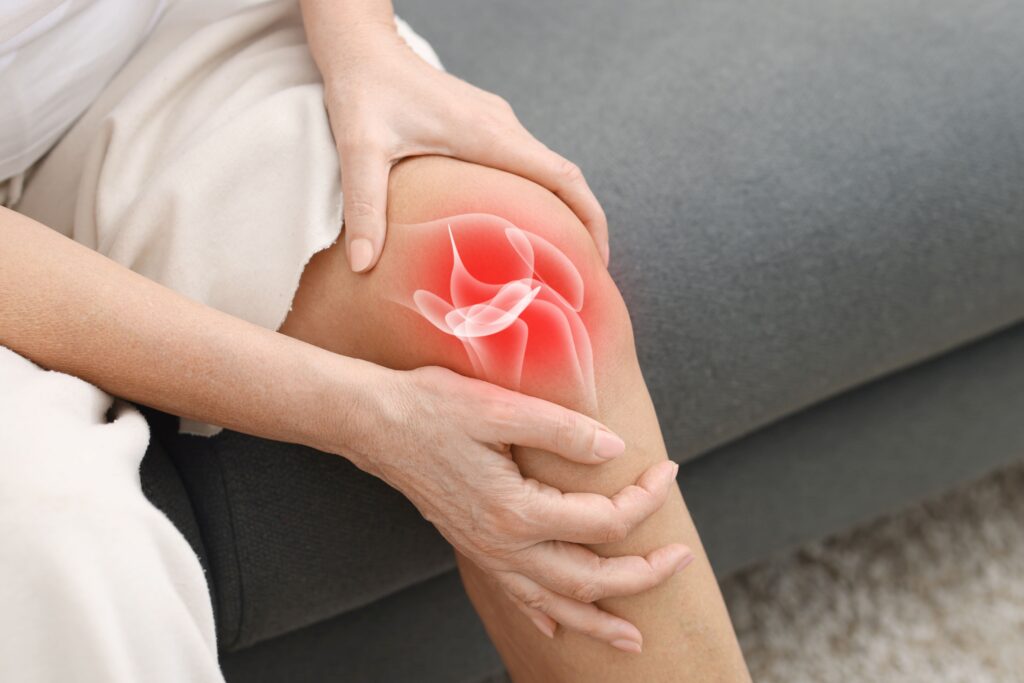
- Muscle and joint pain
- Sleep disturbances
- Mood or cognitive changes
For many individuals, symptoms flare dramatically when exposed to mold, mVOCs, VOCs, or even low levels of formaldehyde indoors. Understanding this connection is the first step toward restoring health.

Why Mold Is a Potent Trigger for CIRS
Mold flourishes in damp environments — behind walls, under sinks, in basements, attics, and HVAC systems. Even concealed mold can release:
- Spores
- Fragments
- Mycotoxins
- Microbial VOCs (mVOCs)
- Inflammatory particles invisible to the naked eye
These contaminants circulate easily throughout the indoor environment. For someone with CIRS, even a small exposure can activate a disproportionate inflammatory response.
How Mold Disrupts the Immune System
In genetically predisposed individuals, mold biotoxins bind to immune receptors that fail to signal correctly. This results in:
- Chronic systemic inflammation
- Hormonal imbalance
- Impaired detoxification
- Mitochondrial dysfunction
- Neurological and cognitive symptoms
This explains why one person in a home can be very sick while others seem unaffected.
mVOCs: The Invisible Chemicals Mold Releases
Mold does more than release spores. It emits microbial VOCs, gases produced through microbial metabolism. These compounds can trigger:
- Headaches
- Nausea
- Dizziness
- Respiratory irritation
- Neurological symptoms
Because gases travel freely through walls, flooring, insulation, and clothing, mVOCs are often more pervasive than mold spores.
VOCs and Formaldehyde: Chemical Triggers That Intensify CIRS
While mold is a major concern, chemical pollutants often play an equally significant role in worsening CIRS.
Common VOC Sources Indoors
- Furniture, carpets, and padding
- Paints, stains, and varnishes
- Cleaning and fragrance products
- Renovation materials
- Vinyl flooring
- Adhesives and glues
- Office equipment
VOC levels are often 5–10 times higher indoors than outdoors, especially in energy-efficient homes with limited ventilation.
Formaldehyde: A Major Indoor Chemical Hazard
Formaldehyde is one of the most common and harmful VOCs found indoors. It is emitted from:
- Pressed wood furniture
- Flooring materials
- Cabinetry
- Synthetic fabrics
- Carpets
- Building materials
For CIRS sufferers, exposure can lead to:
- Worsened inflammation
- Cognitive fog
- Headaches
- Respiratory irritation
- Hormonal disruption
- Increased chemical sensitivity
Even low-level exposure can cause significant reactions in sensitive individuals.
The Synergy of Mold + mVOCs + VOCs
The combination of microbial toxins and chemical pollutants creates a toxic indoor cocktail that overwhelms the immune system. This synergy amplifies inflammation and worsens CIRS symptoms.
Combined exposure often results in:
- Intensified neurological symptoms
- Difficulty detoxifying
- Heightened sensitivity to odors and chemicals
- Frequent symptom flares
- Reduced energy and cognitive performance
- Persistent respiratory or sinus issues
To heal, individuals must address both microbial and chemical contaminants.
Why Environmental Testing Is Essential for CIRS Patients
Mold and chemical exposures are often invisible. A home may look and smell clean while harboring toxins that trigger chronic illness.
Indoor Mold Testing
To identify hidden mold reservoirs, spores, and airborne toxins, consider ordering:
👉 IndoorDoctor On-Demand Mold Testing
This virtual testing package provides professional guidance and actionable insights for identifying mold exposure in your home.
VOC & Chemical Testing
Chemical exposures, especially formaldehyde and VOCs, are critical to evaluate — particularly in remodeled homes or rooms with new furnishings.
👉 IndoorDoctor On-Demand VOC & Chemical Testing
This testing identifies harmful gases and chemical pollutants that commonly contribute to CIRS symptoms.

Why Medical-Grade Air Purifiers Are Essential for CIRS
Even after improving indoor conditions, airborne contaminants may persist. A medical-grade purifier is essential for reducing both biological and chemical toxins.
A purifier suitable for CIRS must include:
✔ True HEPA Filtration
Captures mold spores, fragments, and particulate matter.
✔ At Least 10 Pounds of Activated Carbon
Removes:
- VOCs
- mVOCs
- Formaldehyde
- Chemical pollutants
- Odors
Most standard purifiers do NOT contain enough carbon to meaningfully reduce chemical toxins.
Recommended Air Purifier: Austin Air HealthMate Plus
IndoorDoctor recommends the Austin Air HealthMate Plus, engineered specifically to remove mold toxins, VOCs, mVOCs, and formaldehyde.
Benefits include:
- 15 lbs of activated carbon + zeolite
- True medical-grade HEPA
- Formaldehyde-reducing capabilities
- Long filter lifespan
- High air turnover rate
👉 Purchase the Austin Air HealthMate Plus
For individuals with CIRS, this air purifier can significantly improve indoor air quality and reduce symptom flare-ups.
A Step-by-Step Strategy for Restoring Indoor Air Quality
1. Test your home for mold and chemicals
Use IndoorDoctor’s on-demand testing packages to pinpoint hidden contamination.
2. Remediate moisture and mold sources
Fix leaks, remove water-damaged materials, and improve ventilation.
3. Reduce VOC-emitting items
Avoid synthetic fragrances, harsh cleaners, or high-off-gassing furniture.
4. Install a medical-grade air purifier
Use the HealthMate Plus in primary living spaces and bedrooms.
5. Maintain ideal indoor conditions
- Keep humidity between 30–50%
- Replace HVAC filters
- Ventilate routinely
- Clean dust-prone areas frequently
6. Work with a clinician trained in CIRS
Medical support combined with environmental correction yields the best long-term outcomes.
Conclusion – CIRS and Indoor Air Quality: How Mold, mVOCs, and VOCs (Including Formaldehyde) Drive Chronic Illness
For those suffering from CIRS, the connection between indoor air quality and chronic inflammation cannot be overstated. Mold, mVOCs, VOCs, and formaldehyde often remain hidden yet cause significant physiological stress.
By testing your environment, reducing exposures, and implementing medical-grade air purification, you can dramatically improve your indoor environment — and your health.
IndoorDoctor provides evidence-based tools, expert support, and professional-grade equipment to help you create a cleaner, healthier home.
References
- MedicineNet. (n.d.). Chronic inflammatory response syndrome (CIRS): Symptoms, causes, treatment. Retrieved from
https://www.medicinenet.com/chronic_inflammatory_response_syndrome_cirs/article.htm - United States Environmental Protection Agency. (2023). Volatile organic compounds’ impact on indoor air quality. Retrieved from
https://www.epa.gov/indoor-air-quality-iaq/volatile-organic-compounds-impact-indoor-air-quality - American Lung Association. (2023). Volatile organic compounds: Indoor air pollutants. Retrieved from
https://www.lung.org/clean-air/indoor-air/indoor-air-pollutants/volatile-organic-compounds - SurvivingMold. (n.d.). Understanding CIRS. Retrieved from
https://www.survivingmold.com/docs/UNDERSTANDING_CIRS_EDITV2A.PDF - Zhang, X., Ward, T. J., Brinkman, M. C., & Hoang, T. (2023). Health effects of indoor volatile organic compounds and formaldehyde exposure: A review of recent research. Journal of Toxicology and Environmental Health. Retrieved from
https://www.tandfonline.com/doi/full/10.1080/15287394.2023.2167296